

Magic Tricks That Don’t Require Sleight of Hand
Many people assume that becoming a magician requires years of practice and advanced hand skills. While sleight of hand is an important part of magic, it is far from the only path to creating powerful, unforgettable moments.
In fact, some of the most effective magic tricks require little to no technical skill at all.
These tricks rely on clever design, hidden principles, and built-in methods that allow you to focus on presentation instead of finger technique. If you’re just getting started—or simply want strong effects without the grind—this is where you should begin.
New to magic? Start with our Complete Guide to Magic Tricks.
Why Sleight of Hand Isn’t Always Necessary
Modern magic has evolved significantly. Many effects are now engineered to deliver maximum impact with minimal effort. That doesn’t make them weaker—it often makes them stronger.
When a trick removes technical difficulty, it allows you to:
- Perform with confidence right away
- Focus on timing and audience interaction
- Avoid common beginner mistakes
- Create cleaner, more impossible moments
Instead of worrying about finger placement, you can concentrate on what truly matters—how the audience experiences the magic.
Self-Working Card Tricks
Card magic is one of the best entry points for beginners, especially when the method is built into the structure of the trick.
Self-working card tricks use mathematical principles, clever setups, or subtle handling to create powerful outcomes without requiring difficult moves.
These effects are ideal because they:
- Require little to no practice
- Work consistently
- Can be performed almost anywhere
Many professional magicians still rely on these types of routines because they are dependable and deceptive when presented correctly.
Gimmicked Magic Does the Work for You
Gimmicked magic is designed so that the prop handles the method behind the scenes. This allows even a complete beginner to perform something that looks advanced.
When used properly, gimmicked tricks can create:
- Visual transformations
- Impossible predictions
- Clean vanishes and appearances
The key is choosing effects that feel natural and can be performed in real-world conditions. When the prop supports your performance instead of complicating it, everything becomes easier.
Everyday Object Magic
Some of the strongest magic happens with objects people recognize—coins, bills, and borrowed items. These tricks often feel more believable because they use familiar objects.
Better yet, many of these routines require very little technical handling.
Coin effects, for example, can create the illusion of objects traveling, vanishing, or appearing in impossible locations—all without complex sleight of hand. Bill tricks can add a personal and relatable element that audiences immediately connect with.
Mentalism and Prediction Effects
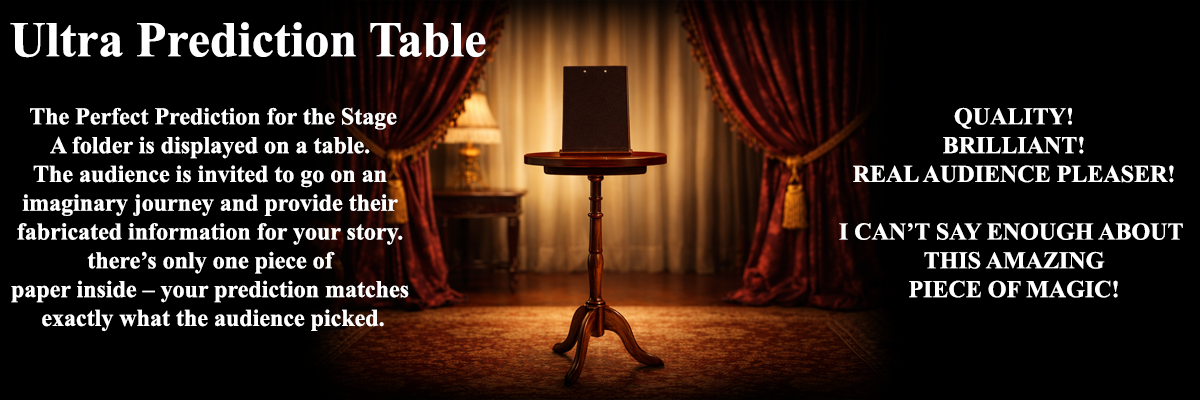
Mentalism is one of the most overlooked categories for beginners. Instead of focusing on physical manipulation, these tricks create the illusion of mind reading, prediction, or influence.
Because the method is often hidden within the structure of the routine, the performer can focus entirely on presentation.
These effects are especially powerful because they feel personal. When someone believes you predicted their thought or influenced their decision, the reaction tends to be much stronger than a simple visual trick.
Why These Tricks Work So Well
Magic is not about how difficult something is to perform. It is about how impossible it appears to the audience.
Tricks that remove technical difficulty allow you to:
- Perform more naturally
- Engage with your audience more effectively
- Deliver a cleaner and more convincing illusion
That combination leads to better reactions—and better reactions are what make magic memorable.
Common Mistakes to Avoid
Even with easy-to-perform tricks, beginners can still run into problems. Avoid these common pitfalls:
- Rushing through the performance
- Focusing too much on the method
- Over-explaining what’s happening
- Not giving the audience time to react
Slowing down and presenting the effect clearly will always improve your results.
Build a Strong No-Sleight Routine
You don’t need dozens of tricks to impress people. A small set of reliable, easy-to-perform effects is far more effective.
A simple routine might include:
- A self-working card trick
- A visual gimmicked effect
- A coin or bill routine
- A prediction or mentalism effect
This combination gives you variety while keeping everything manageable.
Explore Easy-to-Perform Magic
If you’re looking for magic tricks that don’t require sleight of hand, start here:
Browse Beginner & Easy Magic Tricks
Final Thoughts
You don’t need advanced technique to create powerful magic. With the right effects, even a beginner can deliver performances that feel impossible.
Focus on clarity, confidence, and connection with your audience. The method should support you—not hold you back.
Start with simple, strong tricks and build from there.
Frequently Asked Questions
Can you perform magic without sleight of hand?
Yes, many magic tricks are specifically designed to work without sleight of hand. These tricks rely on clever methods, gimmicks, or structured routines that allow beginners to perform strong effects with minimal technical skill.
Are gimmicked magic tricks good for beginners?
Gimmicked magic tricks are excellent for beginners because they handle much of the method automatically. This allows new performers to focus on presentation, timing, and audience engagement while still achieving professional-looking results.
What type of magic is easiest to learn?
Self-working card tricks, basic coin routines, and mentalism-style effects are among the easiest types of magic to learn. These categories require little to no advanced technique and are ideal for building confidence early on.
Follow Tricks And Illusions on Facebook
Check out our sister site: 9RavensMagic.com
Related Articles