

The Complete Guide to Magic Tricks: From Beginner to Professional
Magic has fascinated audiences for centuries. Whether you are just starting out or looking to improve your performance, understanding how magic works—and which tricks to use—is the key to creating powerful reactions.
This complete guide to magic tricks will walk you through the most important categories, how they are used, and how to choose the right material for your style.
What Are Magic Tricks?
Magic tricks are structured illusions designed to create the appearance of impossibility. They rely on a combination of method, psychology, and presentation to guide the audience toward a false conclusion.
If you want a deeper understanding of the principles behind magic, read How Magic Tricks Work (Without Revealing Secrets).
Types of Magic Tricks
Magic is not just one thing. It is made up of several categories, each with its own strengths and performance styles.
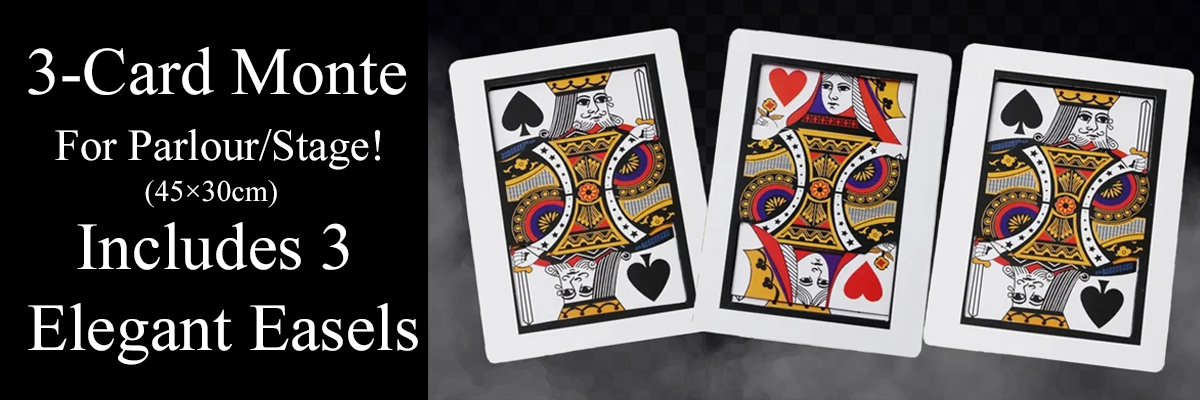
Card Magic
Card magic is one of the most popular and versatile forms of magic. It is portable, familiar, and capable of producing strong reactions.
Explore our full breakdown here: Best Card Magic Tricks
Coin Magic
Coin magic focuses on sleight-of-hand and visual effects using small objects. It works especially well in close-up settings.
Learn more: Best Coin Magic Tricks
Self-Working Magic
Not all magic requires skill. Self-working tricks rely on clever principles that do the work for you.
See examples: Best Self-Working Magic Tricks
Close-Up Magic
Close-up magic happens right in front of the audience, making it one of the most powerful forms of performance.
Read more: Best Close-Up Magic Tricks
Street Magic
Street magic is fast, visual, and designed to create strong reactions in real-world environments.
See our guide: Best Street Magic Tricks
Professional Magic
Professional magic focuses on practical, repeatable effects used by working performers.
Explore: Best Professional Magic Tricks
How to Choose the Right Magic Tricks
Choosing the right trick is more important than learning a difficult one. The best trick for you depends on your environment, audience, and style.
- Beginner: Start with simple, self-working effects
- Intermediate: Add sleight-of-hand and structure
- Advanced: Focus on presentation and audience connection
Browse all available categories here: All Magic
Why Presentation Matters More Than Method
The biggest mistake beginners make is focusing too much on secrets. In reality, audiences remember how a trick made them feel—not how complicated it was.
Strong presentation, timing, and confidence will always outperform complex techniques.
Modern Magic and New Releases
Magic continues to evolve. New releases often improve classic effects, making them more practical and deceptive.
Stay updated with New Magic Tricks to find the latest tools and ideas.
Building a Complete Magic Set
A strong performance is not just one trick—it is a sequence. A typical structure looks like this:
- Opener: Quick and visual
- Middle: Interactive and engaging
- Closer: Strong and memorable
This structure keeps your audience engaged and builds impact throughout your performance.
Final Thoughts
Magic is not about fooling people—it is about creating moments they cannot explain. Whether you are performing for friends or building a professional act, the right combination of tricks and presentation will make all the difference.
For deeper insights into performance, creativity, and advanced magic thinking, visit 9 Ravens Magic.
Frequently Asked Questions
What are the best magic tricks for beginners?
Self-working tricks and simple card effects are the best starting point. They allow you to focus on presentation without worrying about complex techniques.
Do I need special tools to perform magic?
Not always. Many tricks use everyday objects like cards, coins, or borrowed items. Specialized props can enhance performance but are not required.
How long does it take to learn magic?
You can learn basic tricks quickly, but mastering presentation and performance takes time and practice.